Natsura in the Houdini foliage ecosystem

Houdini is already a good place to grow trees.
Studios and artists have built their own HDAs, tools and workflows for vegetation. That variety is part of what makes Houdini worth investing in.
Natsura joins that ecosystem with a focused role:
- A high-performance growth and species engine living directly in SOPs.
- Artist-facing tools that feel like modelling, built on top of that engine.
- Rigged, structured outputs that behave well in downstream tools and engines.
You don’t have to change everything you already use. Natsura is there when you want a solid core for growth and meshing.
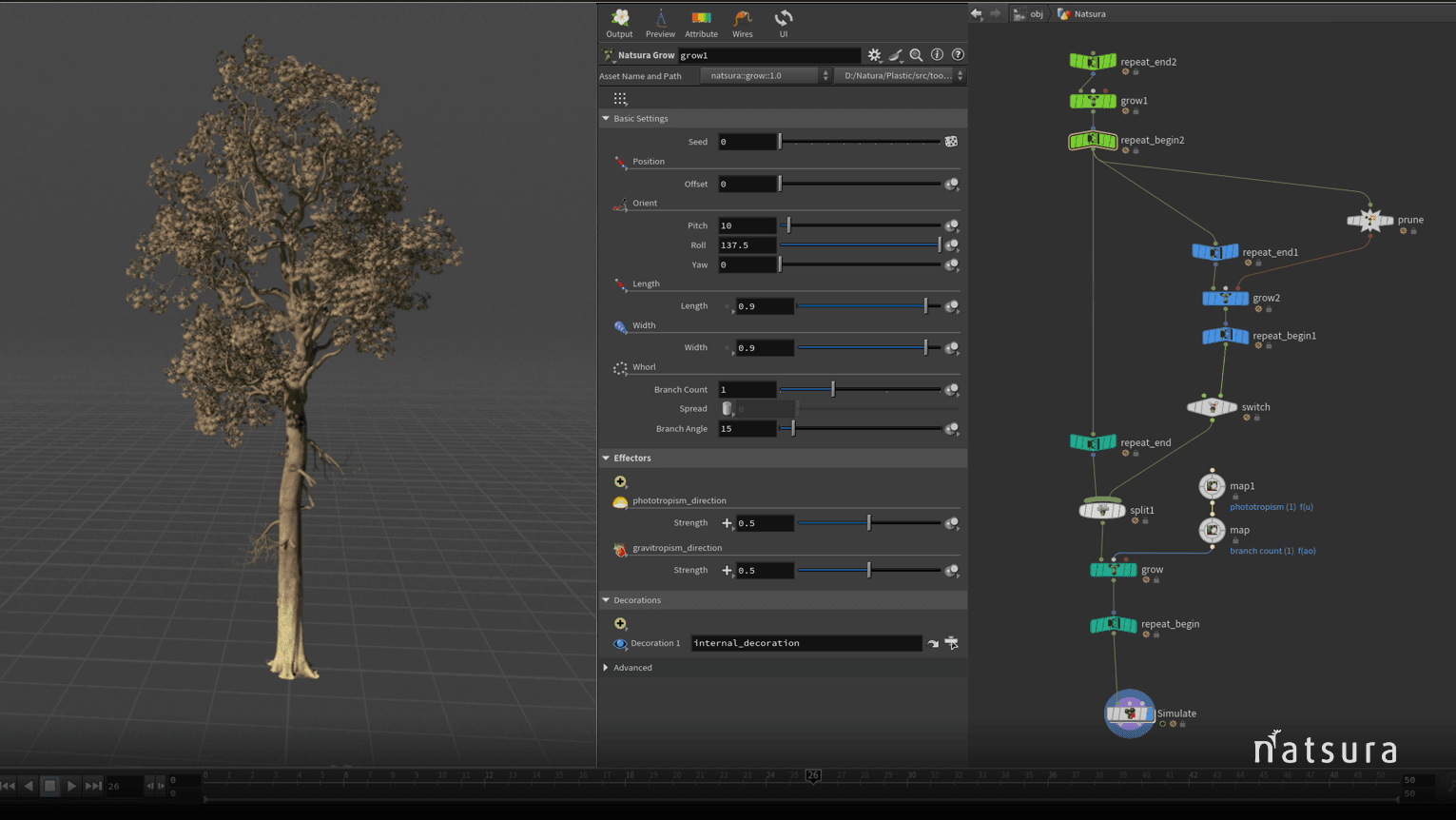
A Houdini engine that plays nicely with others
Natsura is built out of the same things you use every day: SOPs, attributes, VEX and HDAs.
That means:
- You can feed it points, curves, volumes, masks and skeletons from whatever networks and tools you already rely on.
- You can wrap Natsura graphs inside your own HDAs, shelf tools and pipeline scripts.
- Technical artists can open things up, read what’s going on, and extend it instead of working around a black box.
The engine doesn’t mind where its inputs come from, as long as they’re good Houdini citizens.
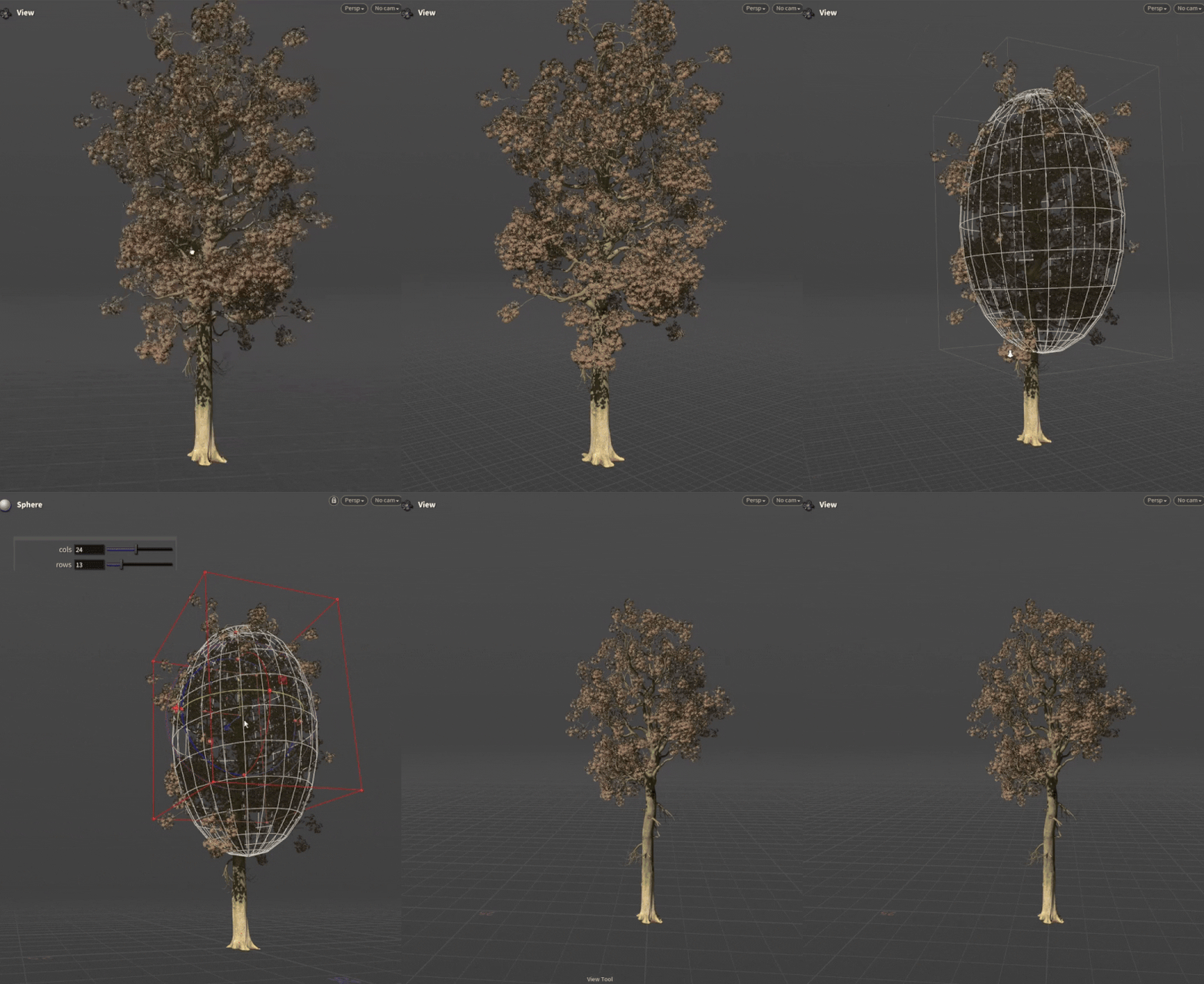
Rigged trees that drop into your existing setups
What comes out of Natsura is designed to be usable immediately:
- Clean hierarchies and attributes for wind, deformation, rigging and destruction HDAs.
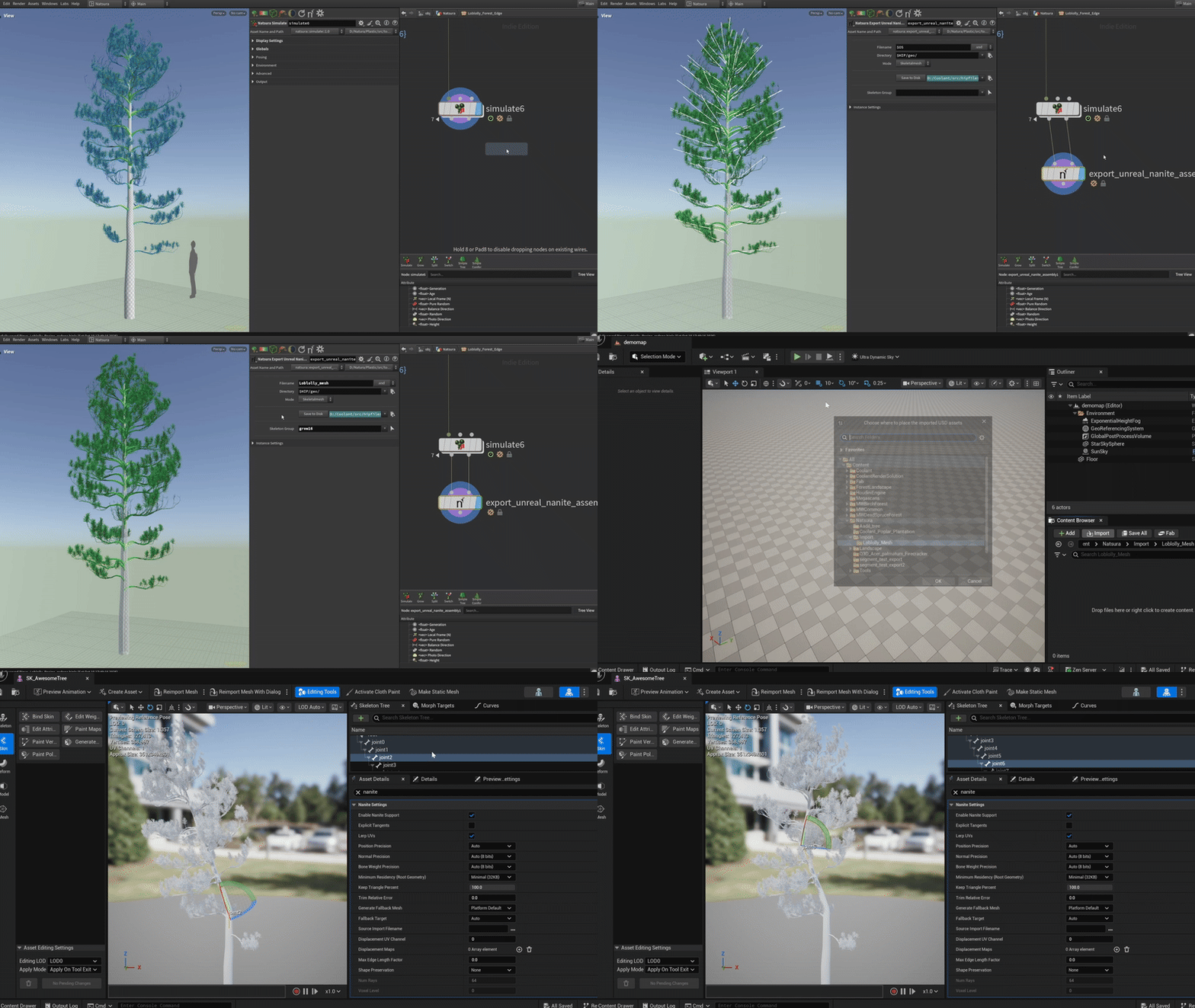
- Nanite-ready meshes and skeletal assemblies for Unreal Engine 5.
- Geometry and skeletons that are straightforward to adapt to custom engines and proprietary runtime systems.
If you already have favourite wind tools, exporters or destruction setups, Natsura’s job is to hand them rigged trees that behave.
If Houdini is your vegetation hub
For teams that expect Houdini to stay at the centre of their vegetation work, Natsura is intended to be a strong spine:
- A growth engine that balances simulation and direct control.
- A structure that scales from single assets to libraries and ecosystems.
- Outputs that respect the rest of your Houdini graph and the engines you ship to.
You can adopt it gradually alongside your own tools, or build new workflows around it. Either way, it’s meant to feel like part of the Houdini world you already know.
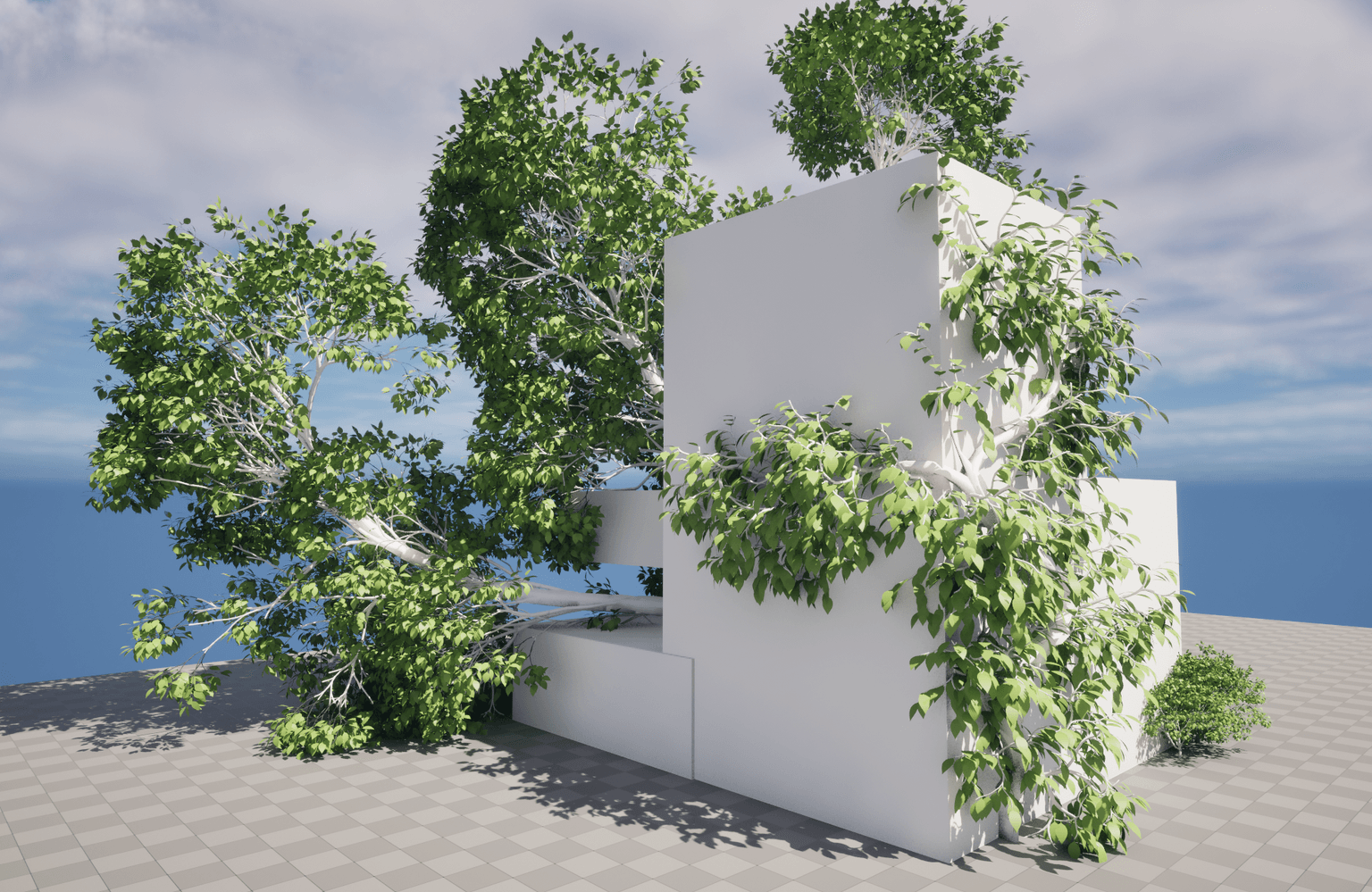
Where to go next
The Overview is the starting point; Modules and the Internal Nodes catalogue together show how Natsura's artist-facing nodes compose around Houdini's SOP graph, and Wrangle is the path back to VEX when a wrapper doesn't cover what you need. Decorations covers the meshing layer (including custom decorations for extending the meshing stack), and Scans covers the high-poly scan and sculpt workflow.
For walkthroughs, Natsura 101 (Version 0.5) introduces the toolset, Send a Forest to Unreal and Extend Scanned Trunks cover the engine-export and high-poly flows respectively.
Next steps
Explore Docs
Explore Features
Natsura vs building it yourself
You can build foliage tools in Houdini. We did — three times. This page explains why, for almost every commercial team, it makes more sense to build on Natsura than to own a vegetation engine yourself.
Natsura in the Unreal foliage ecosystem
Unreal Engine 5.7 brings PCG, the Procedural Vegetation Editor, and Nanite Foliage. Natsura sits upstream as a Houdini-based growth engine that feeds those systems with structured, Nanite-ready trees and ecosystems.