Who it is for
Natsura for AAA studios
Production-grade plant tools with clear licensing, documentation that keeps pace with the software, and direct access to the team that builds it.

01
Is Natsura ready for production?
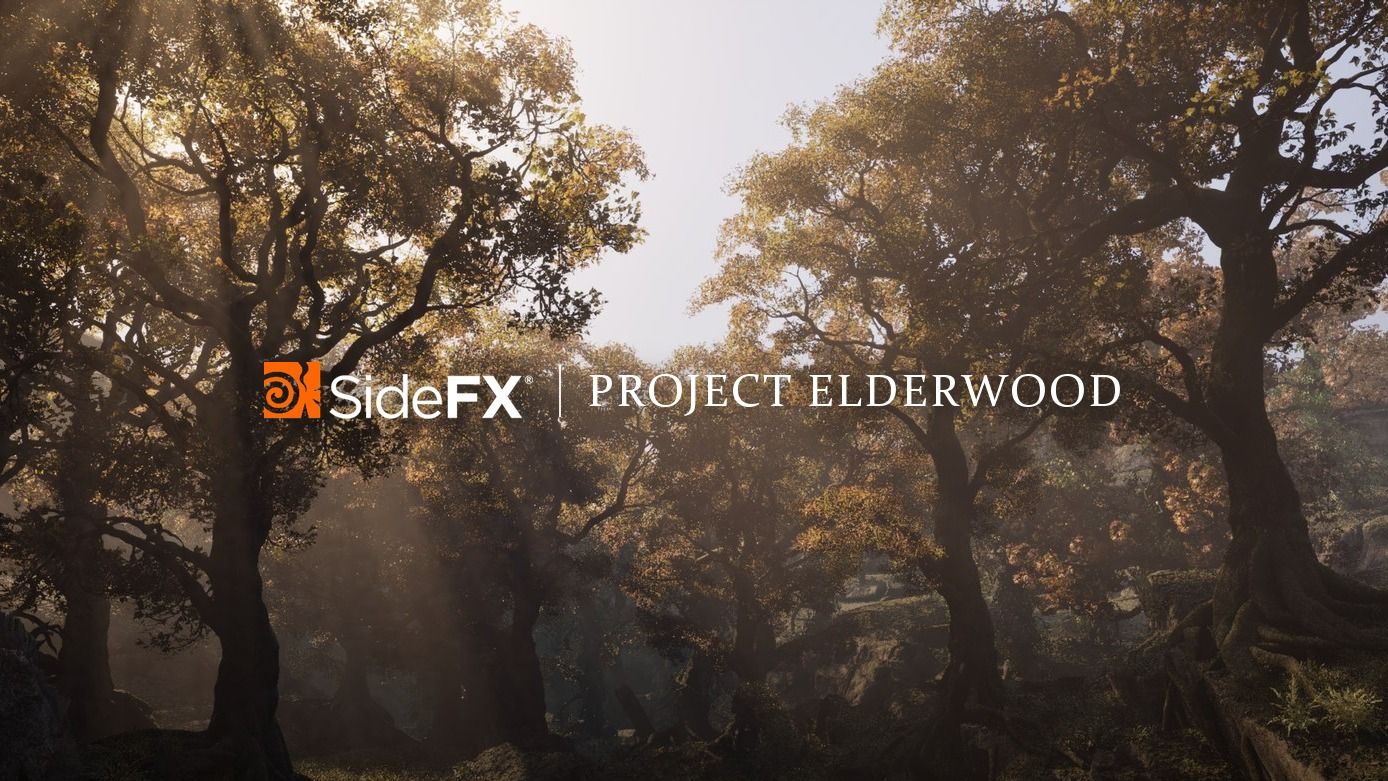
Natsura grew the woodland of SideFX’s Project Elderwood, and SideFX endorses it. Early on we recommended against using it in production, and teams used it anyway. Dead Astronauts grew the forests of HAEX in it, and one game studio built a forest in 0.5 that we carry forward to every release: 13 production scenes across aspen, birch, downy birch, hazel, Norway spruce and Scots pine, checked tree by tree on each build. Old scenes upgrade when they open and show you what changed.
02
Will it fit our engine and pipeline?
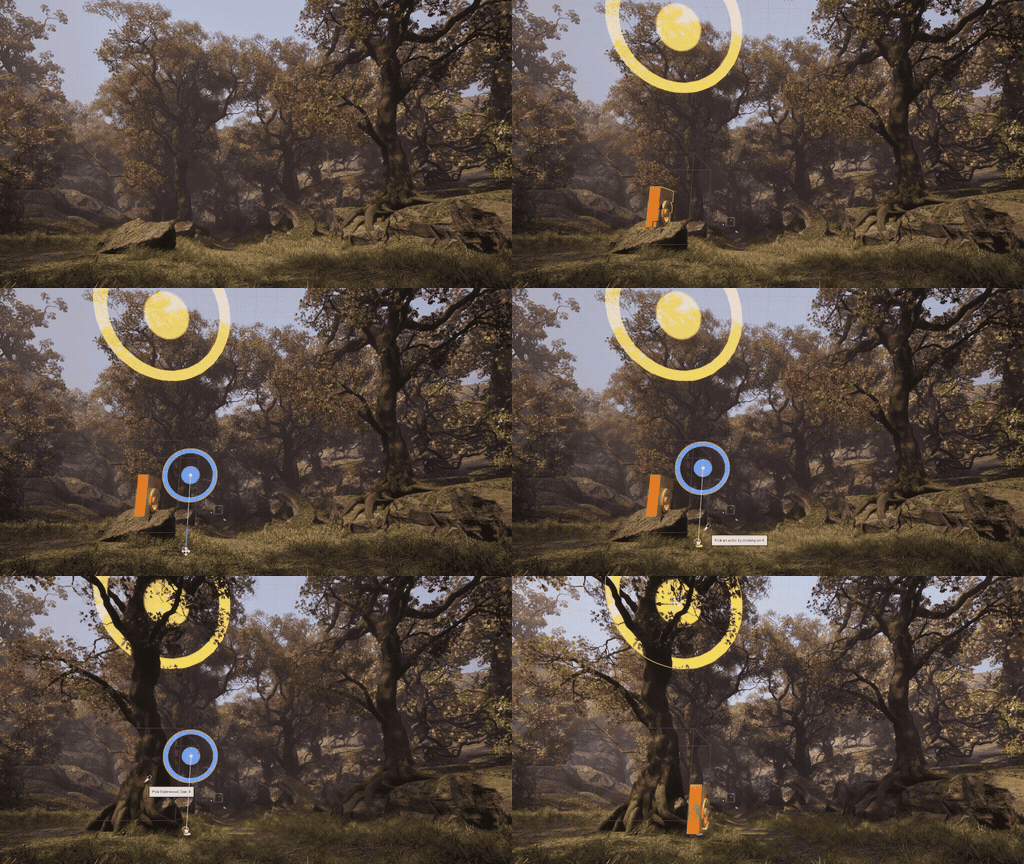
Being in Houdini means you have Houdini Engine, so you can grow Natsura trees directly inside your engine. Every tree also goes out as ordinary Houdini geometry and as USD through Solaris, for any engine or pipeline. If you are on Unreal, there is a straightforward route to Nanite skeletal assemblies with wind, and traditional LOD and Pivot Painter workflows arrive with 0.9.
03
How long does it take to learn?
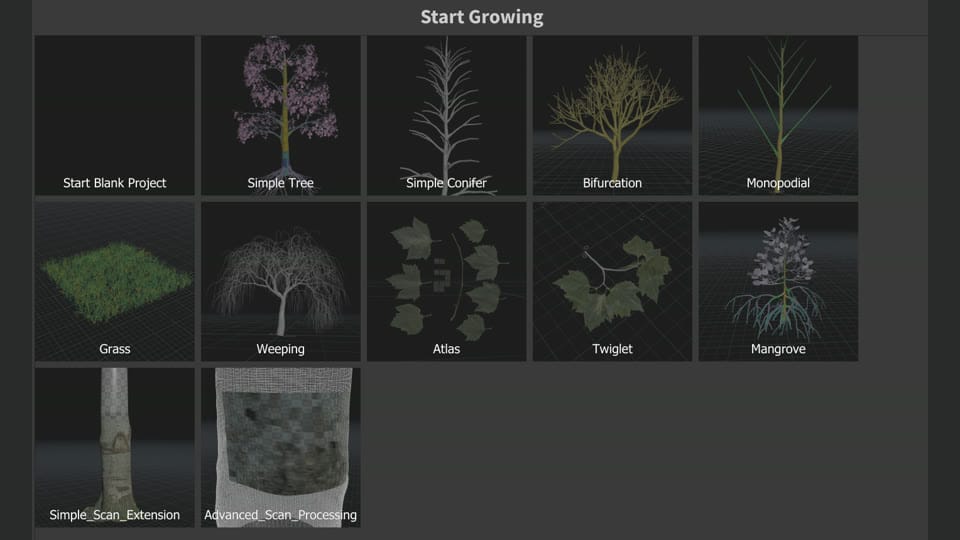
The first tree comes quickly. Bringing people new to Houdini in was always the goal, SpeedTree artists above all: artists aren’t scared of complexity, they’re scared of the kind that comes with understanding data flow, so the surface keeps that out of the way while the depth stays open for your TDs. Every major release comes with a new Natsura 101, and studios getting started work directly with the team that builds it.
04
Can we hit our quality bar?
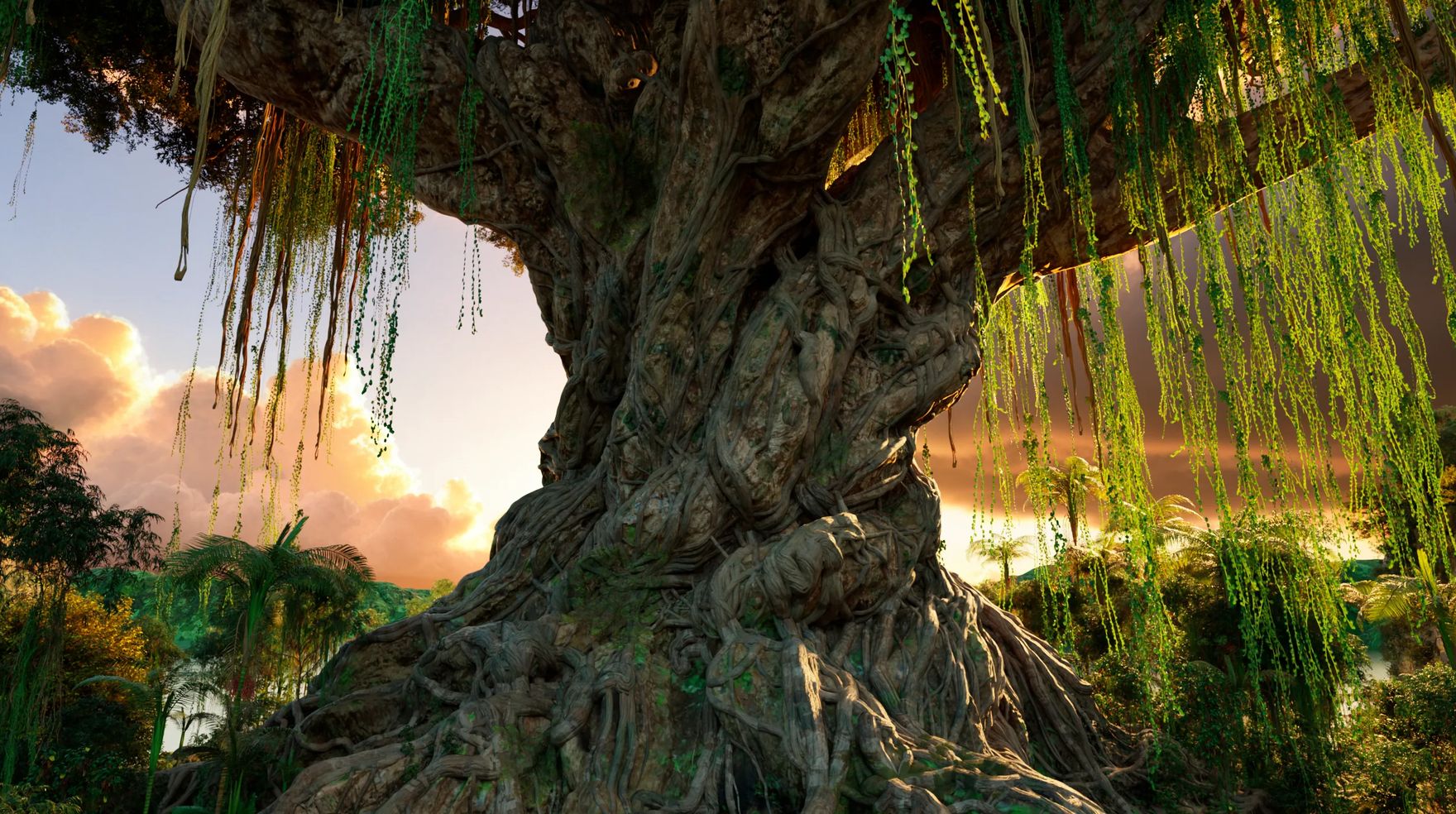
The intention is very much the high end, and you can hit very high levels of realism. The next release, 0.8, is about finish: taking every part of a tree to the highest level of detail, from bark and branch junctions to leaves, with the control in real time so artists can keep pushing quality. Scanned trunks bake to 8k with UDIMs straight from RealityCapture.
05
Can we convert our existing library?
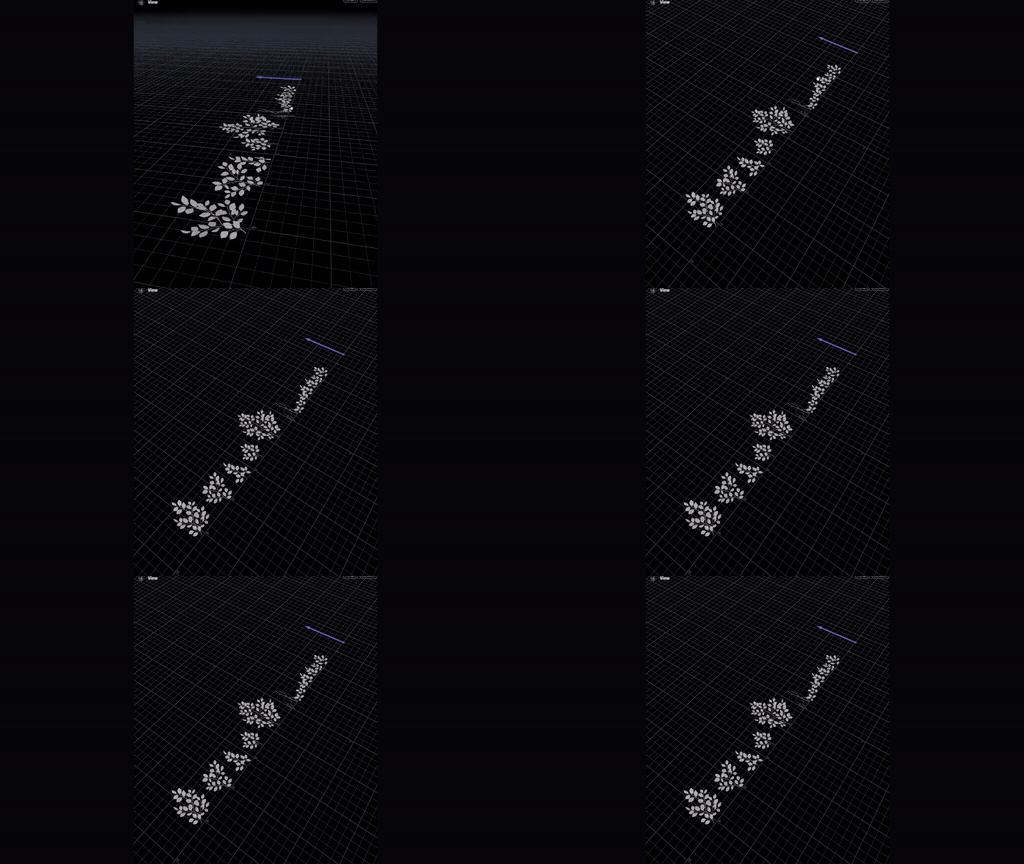
Yes. Natsura works in parts throughout, and 0.7 shipped a whole assembly framework, a dozen or so nodes built to turn existing libraries of branches into rigged assemblies of instances. Bring in modelled twigs, branches, leaves and fruit from SOPs, USD or BGEO: at the right scale with pivots in place, the Assembly Resource rigs them automatically, gives them traits and places each one where it belongs on the tree. You can also decompose simulated branches into modules or cut scanned trunks into sections. Repeated geometry is pulled out into shared instances that stay instances all the way to the engine, so one small library dresses a whole forest. Import SpeedTree, planned for 0.8, will bring your SpeedTree trees through the same tools.
06
Will it scale to whole forests?
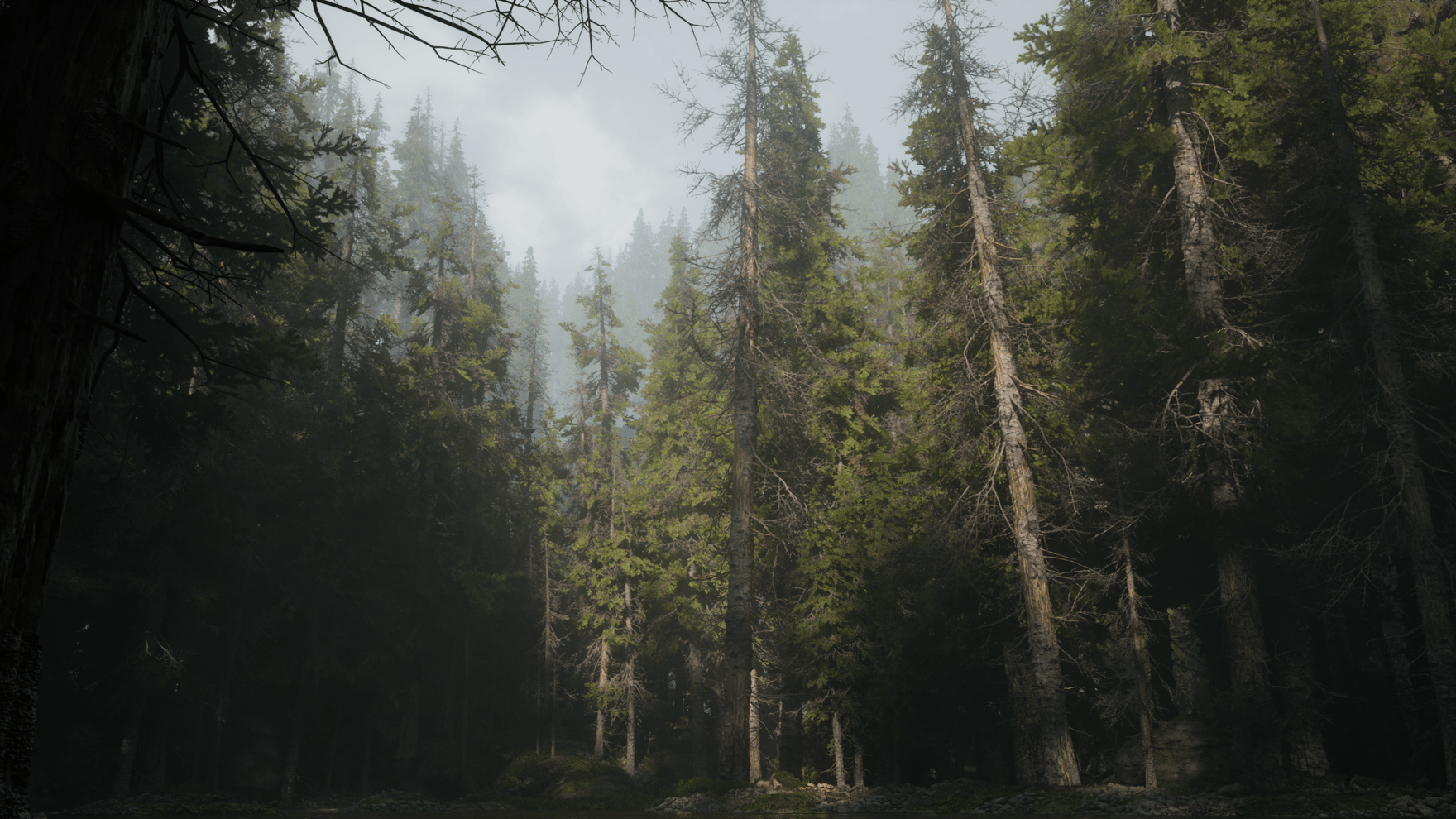
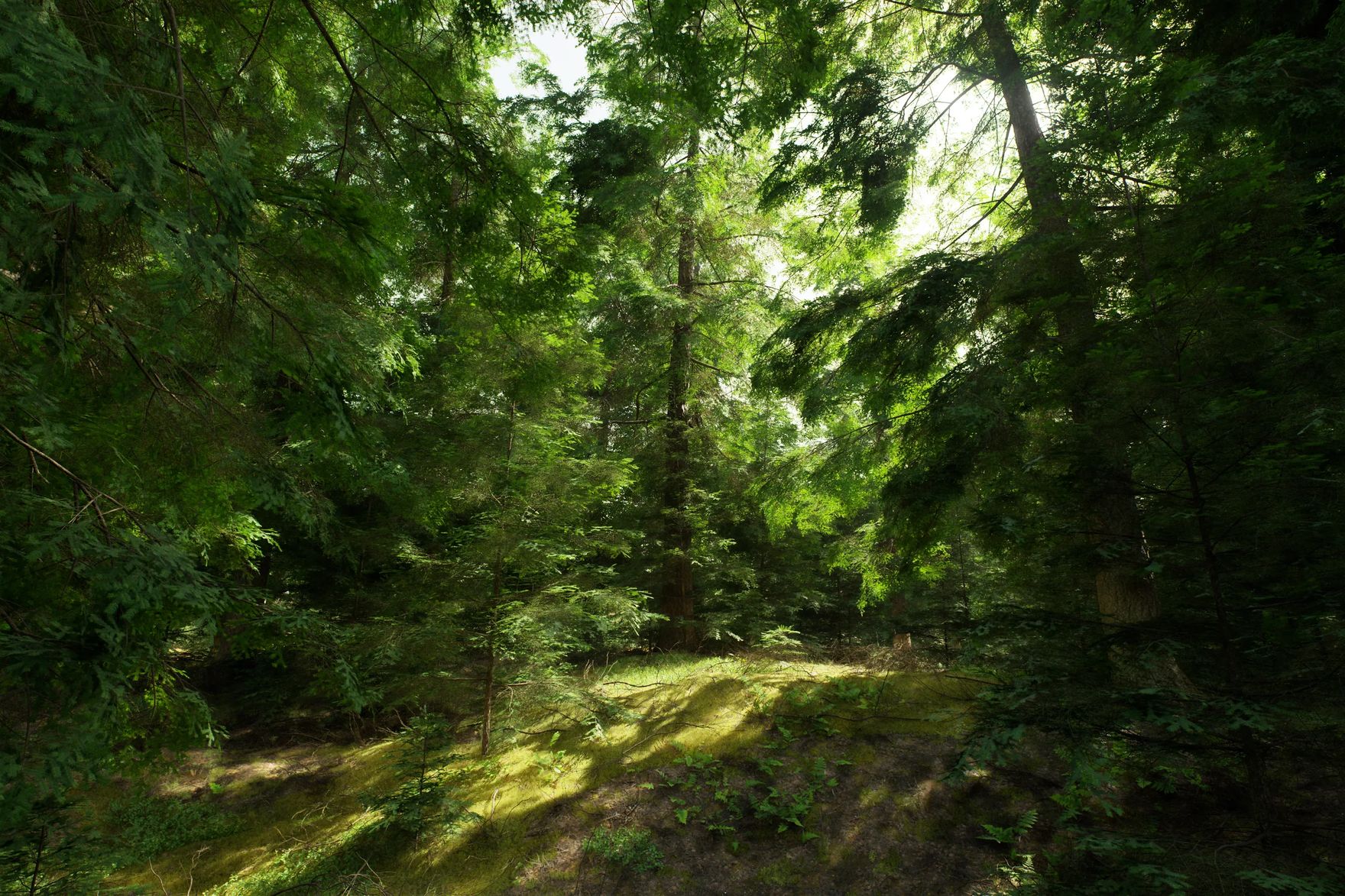
One recipe per species responds to age, health and vigour on your seed points, so a handful of recipes covers hero trees to background, every tree its own. On export, parts are shared across each species, keeping your asset count lean.
07
Can our artists and TDs both work in it?
Artists are masters of intention, technical artists masters of implementation, and Natsura gives each a layer. It lives in Houdini, so your TDs can look far under the hood and build custom decorations, effectors and node collections; artists use them from the toolbar and node menu, which your studio can fill with its own examples and templates.
08
Can we start with one part of our pipeline?
Yes. Natsura covers the whole journey from growth to engine, and each part stands on its own, so start with whichever workflow fits your team, scan middleware for your existing trunks, say, and add more as it proves itself. A few newer parts are experimental, and the feature pages say which.
09
How is Natsura built to last?
We started this journey seven years ago, and we’re still here. Before Natsura we shipped two production foliage toolkits, both documented online: our 2019 Houdini tree tools, proven on a 100 km² landscape with hundreds of thousands of trees, and the tree system we built at Applied Intuition for massive natural landscapes in autonomous-vehicle simulation, with LODs, impostors and wind. Flora, built for SideFX’s Project Pegasus, was Natsura’s prototype. We are self-funded and building Natsura as a worker-owned co-operative, so it stays independent and answers to the people who use it. It has been on sale since November 2025, with regular releases, and we’re nearly at the finish line, with 1.0 aimed at the second quarter of 2027. A perpetual licence keeps your version working (activation needs an online connection), everything Natsura makes is ordinary Houdini geometry and USD, and the toolkit is open apart from the engine core.
10
How do our artists’ skills carry over?
“Coming from SpeedTree and having absolutely zero previous experience with Houdini, I have to say that the transition has been very smooth,” says Aranabel, a 3D artist. Many teams that adopt Natsura built their plants in SpeedTree before, and the eye for branching, foliage and silhouette carries straight over. Alongside procedural and simulated growth rules, your artists pose, tweak, sketch and draw by hand and place effectors, force fields that steer growth, all while the tree is growing. How much they leave to botany and how much they make bonsai is up to them.
11
What support do we get?
Direct access to the team that builds it. Blockers come first, feature requests get an estimate of when they land, and much of today’s toolkit came from conversations with studios. Studio requests are handled ahead of Indie and Pro, and an Enterprise site licence can add a service-level agreement and integration help, set in its order form.
12
Which licence fits our studio?
Studio covers up to five people in total, as node-locked seats, floating slots or a mix. Above five, or once your revenue or funding reaches USD 10 million, an Enterprise site licence covers everyone at one studio, with up to 30 in use at once and service levels available; each studio site has its own. Schools get one Education licence for staff and students. Training models on Natsura output has its own licence.
13
How does Natsura work with a custom engine?
Through Houdini and USD. Everything Natsura makes, mesh, rig, skin weights, wind classes and attributes, is ordinary Houdini geometry, and it goes out through Solaris as USD, so your TDs can write it in exactly the format your engine expects, with the Unreal exporter as a worked reference. Baked graphs, on the roadmap, will let a recipe run as a small standalone graph, which makes engine-side integration simpler still.
14
What will our legal team want to know?
The licence is published in full, so your legal team can read it before anyone asks for a seat. Every tree grows from rules your artists set, so its provenance is clear, and what your team makes belongs to you.
15
How do AI and MCP fit into our pipeline?
However your studio’s AI policy likes. Natsura is ordinary Houdini, so the MCP plugins and AI assistants your TDs already use can read, drive and batch a Natsura scene, with no separate integration. Provenance stays clear whatever tools touch it, because every tree grows from your artists’ recipe. Training models on Natsura output has its own licence: talk to us.
Get started
Sign up for Natsura and start creating stunning foliage today
Join the Natsura community and join other artists and developers in the conversation.
“I workshopped something in Houdini. It worked enough for a release or two, but was never going to hold long-term, so that's how I found you guys eventually. Much easier.”
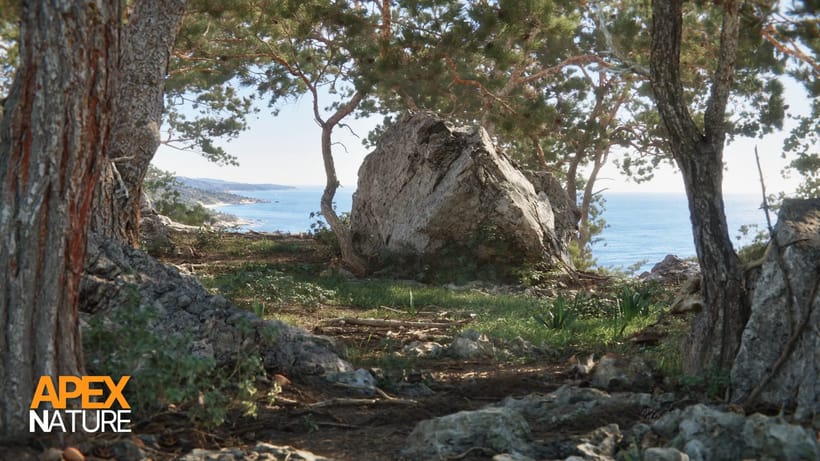
“Natsura's power comes from its ability to give artists full creative freedom over the final results. Leveraging a combination of simulated, procedural and manual artistic input has allowed us to get past the generative look that would otherwise hold us back on our quest to create truly photo-realistic natural environments.”
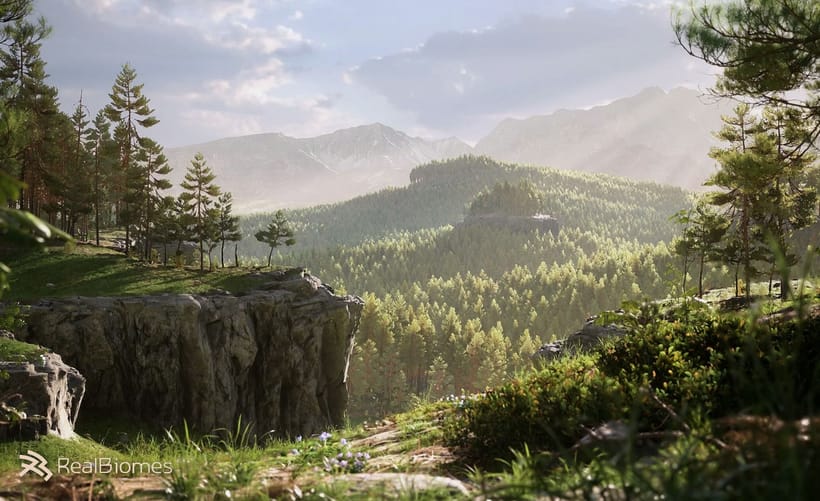
“I love Natsura's approach of combining simulation with parametric control - the developers are passionate and it shows in the product.”
 Jan Klasen, Co-Founder - Realbiomes
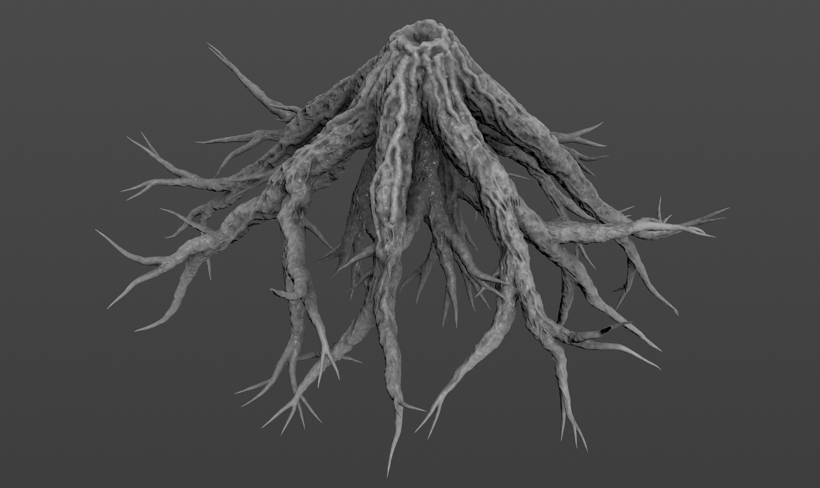
“Natsura is a groundbreaking new approach to an age old problem in video games and film- how do artists create non-cookie cutter realistic foliage that doesn't compromise. To me? Natsura is to technical artists what C was to programmers, and personally, I am excited to see it grow.”
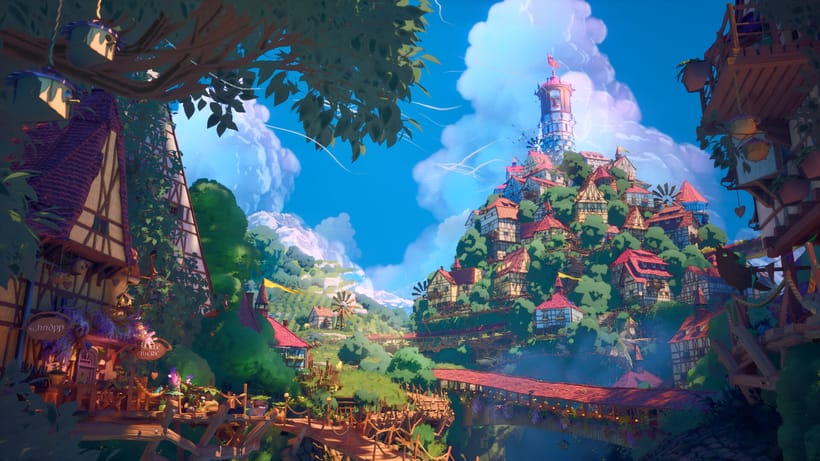
“i love that we can make all kinds of trees with the tools”